
Syed Aoon Sherazi
Editor’s note: Syed Aoon Sherazi is a Pakistani journalist, international affairs analyst, and regular columnist for international publications. A frequent commentator on national and international TV channels, he specializes in Pakistan, China, the United States, the Middle East, Afghan affairs, geopolitics, and strategic affairs.
The recent terrorist attacks in Gwadar, Baluchistan, have once again brought the security and future of this strategically important region into focus. At a time when Pakistan is working to expand economic opportunities, strengthen regional connectivity and advance its partnership with China, attempts to spread violence in Gwadar pose a serious challenge to peace, public safety and development. Yet the prompt response of Pakistan’s security forces, the resilience of local communities and the continued importance of Pakistan China cooperation demonstrate that terrorism will not easily defeat the aspirations of people who want a peaceful and prosperous future.
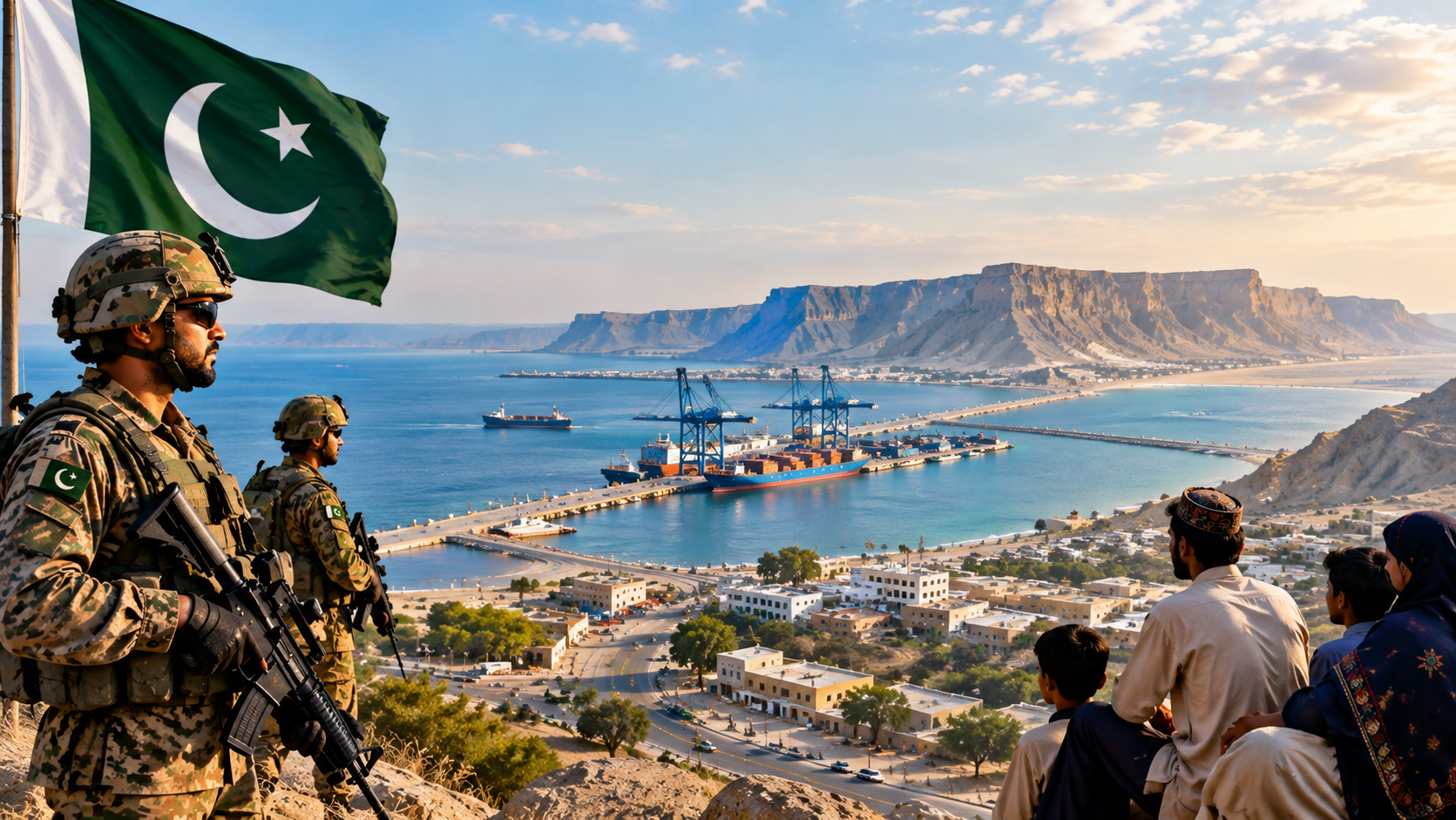
On October 23 and 24, 2026, terrorists attempted attacks in Gwadar district, including near the Gabd border crossing and an unoccupied construction company camp. Security forces conducted clearance operations and killed 10 terrorists in separate engagements. The operations concluded without any fatalities among security personnel, although one civilian lost their life and vehicles were damaged. The civilian death is a painful reminder that ordinary people frequently bear the greatest cost of terrorism. Every innocent life lost is a tragedy for the family involved and for the wider community.
The swift response by Pakistan’s Army and other security personnel deserves recognition. When reports of attempted attacks emerged, security forces moved to counter the threat, secure affected locations and prevent further violence. Their response helped restore order and demonstrated the importance of preparedness, intelligence coordination and professional action during a security emergency. The men and women serving in Pakistan’s security institutions undertake difficult duties in dangerous circumstances, often at considerable personal risk. Their efforts to protect civilians, workers, public infrastructure and strategic locations deserve respect, while every operation must continue to uphold the law and protect innocent lives.
The recent operation also raises an important question: who benefits when violence disrupts the lives of Gwadar’s residents and threatens the region’s economic future? Terrorist groups that attack civilians, intimidate workers, damage infrastructure or attempt to obstruct peaceful economic activity undermine the interests of the very communities they claim to represent. No political grievance can justify killing innocent people or using fear and violence to achieve an objective. Those who deliberately target the people of Baluchistan and obstruct peaceful development should be held accountable through lawful and transparent processes. In this sense, armed groups that bring bloodshed to local communities act against the public interest, whatever slogans they use to justify their actions.
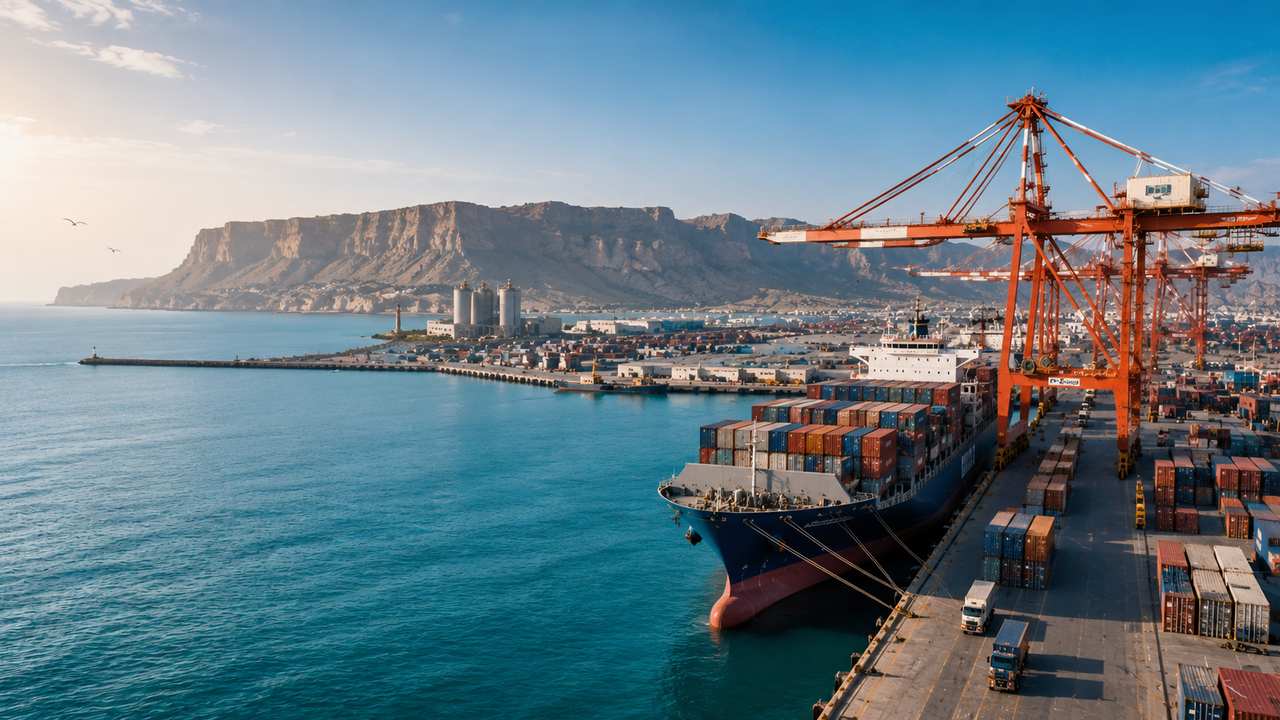
Gwadar holds special significance in the economic relationship between Pakistan and China. Through the China Pakistan Economic Corridor, the port has the potential to connect Pakistan with regional and international markets, support maritime trade, encourage investment and create employment. The wider Pakistan China partnership has opened opportunities for cooperation in infrastructure, energy, transport and industrial development. For Pakistan, these projects offer the possibility of stronger connectivity and a more diversified economy. For China, cooperation with Pakistan provides opportunities to develop commercial links and strengthen regional economic engagement. For the people of Baluchistan, the most important measure of success should be whether these projects improve living standards, create decent employment and expand opportunities for local communities.
China’s role in Gwadar should therefore be understood in the context of economic cooperation and long term development. The safety of Chinese workers, Pakistani employees, contractors and local residents is essential to the continuation of peaceful economic activity. Any attack that threatens these people or damages facilities supporting trade and development creates risks for both countries. Pakistan and China have a shared interest in ensuring that economic cooperation remains peaceful, sustainable and beneficial to the communities connected to these projects. Their partnership can contribute to regional prosperity, provided that security, transparency and local participation remain central priorities.
Regardless of where support for a terrorist group may originate, the consequences for ordinary people are clear. Attacks create fear, disrupt business, endanger workers and weaken public confidence in the prospects for peace. They can also discourage investment that might otherwise support employment and infrastructure. If an armed organisation deliberately targets a port, a construction site or a civilian community to prevent peaceful economic activity, its actions damage the interests of local people.
Public cooperation is equally important in countering terrorism. Residents can help by reporting credible security concerns to the relevant authorities, avoiding dangerous areas during operations and refraining from circulating unverified videos, rumours or casualty figures. Responsible reporting by journalists and news organisations is essential during sensitive incidents. Accurate information can prevent panic, protect civilians and help the public understand what has actually happened. Security agencies, in turn, should provide timely updates and communicate clearly with residents so that reliable information can counter misinformation.
Pakistan’s security institutions have a continuing responsibility to protect the country’s people and territory. The Army, police, intelligence agencies and other law enforcement bodies must remain coordinated, professional and accountable in their efforts to prevent attacks and dismantle terrorist networks. At the same time, a lasting solution requires engagement with local communities, attention to legitimate grievances and fair access to the economic opportunities created by development projects. The strongest foundation for stability is one in which citizens feel protected, respected and able to participate in decisions affecting their future.
For Pakistan and China, Gwadar represents an opportunity to build a stronger economic relationship based on connectivity, trade and shared development goals. For Baluchistan, it represents the possibility of greater prosperity, provided that local people are included and their needs are addressed. Terrorism threatens these possibilities, but violence does not have to define the province’s future. A coordinated security response, responsible governance, economic inclusion and sustained cooperation can help create conditions in which residents and businesses are able to live and work without fear.
The message from the recent events in Gwadar is clear: terrorism must not be allowed to determine the future of Baluchistan. Pakistan’s security forces deserve recognition for their response, and the people of Baluchistan deserve peace, dignity, opportunity and a meaningful share in development. Pakistan China cooperation can support that future, but its lasting success will depend on protecting human life and ensuring that progress reaches local communities. Those who use violence against civilians and deliberately undermine peaceful development should be held accountable, while the people whose lives are affected must remain at the heart of every effort to build a safer and more prosperous region.