
Syed Aoon Sherazi
Editor’s note: Syed Aoon Sherazi is a Pakistani journalist, international affairs analyst, and regular columnist for international publications. A frequent commentator on national and international TV channels, he specializes in Pakistan, China, the United States, the Middle East, Afghan affairs, geopolitics, and strategic affairs.
At a time when the world is facing growing geopolitical tensions, regional conflicts, economic uncertainty and divisions among nations, the need for peace, stability and international cooperation has never been greater. In this challenging global environment, China has increasingly emerged as an important voice advocating dialogue, diplomacy, peaceful coexistence and shared development. Through its diplomatic engagement, international initiatives and commitment to economic cooperation, China is demonstrating that lasting peace cannot be achieved through confrontation and rivalry, but through mutual respect, understanding and collective progress.
China’s approach to international relations is rooted in the principle that peace and development are closely connected. A peaceful world creates opportunities for economic growth, while sustainable development helps address the underlying causes of instability, poverty and conflict. This vision is reflected in China’s consistent emphasis on dialogue, respect for national sovereignty, non interference in internal affairs and the peaceful settlement of international disputes. Rather than promoting divisions between nations, China advocates a world in which countries with different political systems, cultures and development paths can work together for common prosperity.
One of the most significant contributions of China to global peace diplomacy has been its efforts to encourage dialogue between countries facing political and diplomatic differences. A notable example was China’s role in facilitating the restoration of diplomatic relations between Saudi Arabia and Iran in March 2023. The agreement, reached in Beijing, represented an important diplomatic breakthrough for the Middle East, a region that has experienced decades of tensions and instability. By providing diplomatic space for dialogue, China demonstrated how constructive engagement can help rebuild trust and open new possibilities for regional cooperation.
China’s diplomatic engagement has also extended to other international conflicts and regional challenges. On issues such as Ukraine, Palestine and Myanmar, Beijing has repeatedly called for political solutions, dialogue and negotiations. While these complex conflicts require the participation and commitment of all parties involved, China’s continued emphasis on peaceful settlement reflects its belief that military confrontation alone cannot deliver lasting stability. Its position is that international disputes should be addressed through diplomacy, respect for international law and consideration of the legitimate concerns of all parties.
This commitment is also reflected in President Xi Jinping’s Global Security Initiative, introduced in 2022. The initiative promotes a vision of common, comprehensive, cooperative and sustainable security. It emphasizes that the security of one country should not come at the expense of another and that global challenges require collective responses. At its heart is a simple but important message: the world cannot achieve lasting security if nations continue to view one another as enemies rather than partners.
China’s contribution to international peace is not limited to diplomacy and political dialogue. Its approach recognizes that economic development is equally important in building a stable international environment. Through the Global Development Initiative and the Belt and Road Initiative, China has encouraged international cooperation in infrastructure, trade, energy, transportation, technology and industrial development. These initiatives have opened new opportunities for developing countries to improve connectivity, strengthen their economies and create better living conditions for their populations.
The Belt and Road Initiative, in particular, has become an important platform for international economic cooperation. By supporting infrastructure development, including roads, railways, ports, energy projects and digital connectivity, China has helped create opportunities for countries seeking to strengthen their economic potential. Such cooperation can contribute to regional stability by improving trade links, creating employment opportunities and supporting long-term economic growth. Development is not simply about constructing infrastructure; it is about connecting people, expanding opportunities and giving nations greater possibilities for a prosperous future.
China’s growing cooperation with countries across Asia, Africa, the Middle East and Latin America also reflects its emphasis on a more inclusive international economic order. Many developing countries face challenges such as poverty, limited infrastructure, energy shortages and unequal access to technology. Through trade, investment, technical cooperation and development partnerships, China has sought to support these countries in strengthening their economic foundations. This approach reinforces the idea that global prosperity should not be limited to a small number of wealthy nations but should create opportunities for people across the world.
Another important dimension of China’s international role is its support for multilateralism and the United Nations. At a time when international institutions face increasing challenges, China continues to emphasize the importance of the UN Charter, sovereign equality and international cooperation. China is also an active participant in UN peacekeeping operations, contributing personnel to missions in different parts of the world. These contributions demonstrate that international security requires more than political statements; it also requires practical participation and collective responsibility.
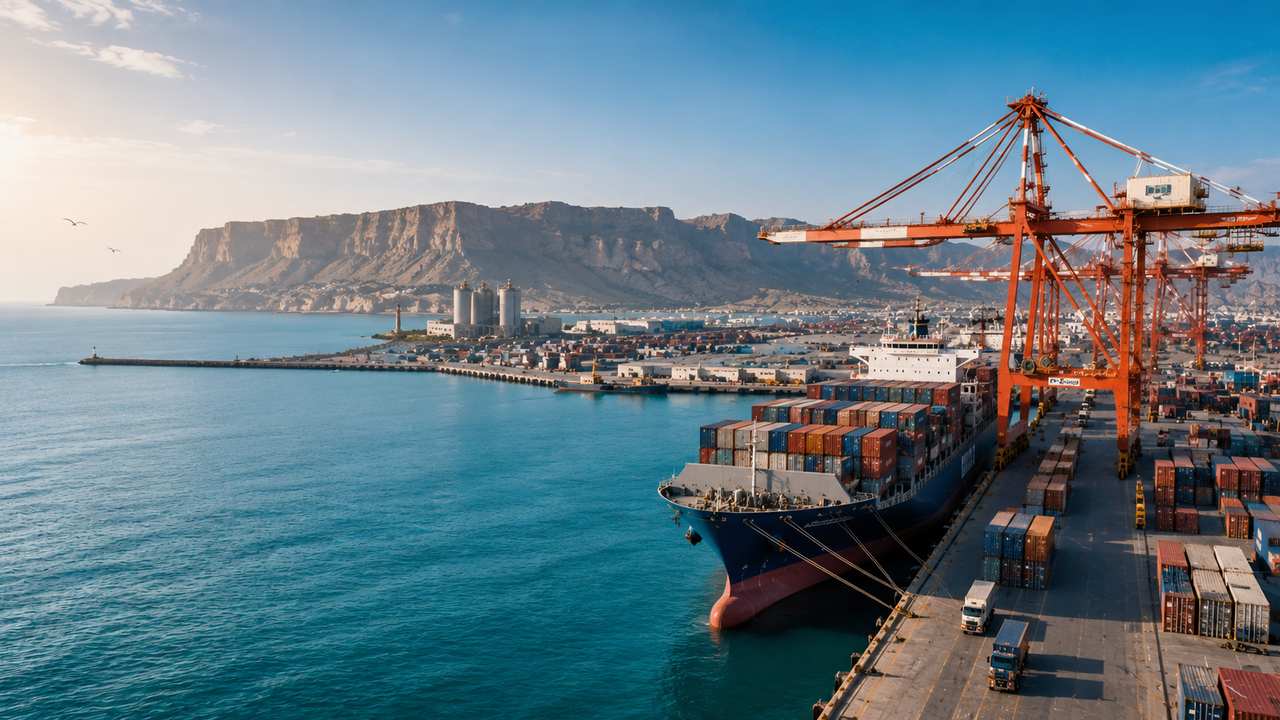
China’s partnership with Pakistan offers another example of how economic cooperation and regional connectivity can support peace and stability. The China-Pakistan Economic Corridor has created opportunities for infrastructure development, energy cooperation, transportation and industrial growth. Beyond its economic significance, CPEC represents a broader vision of regional connectivity, linking markets and creating opportunities for cooperation among neighbouring countries. A prosperous and economically connected region has greater potential to enjoy peace, stability and shared progress.
More recently, China and Pakistan have also demonstrated their shared commitment to diplomatic efforts for regional stability. On March 31, 2026, the two countries put forward a five-point initiative for restoring peace and stability in the Gulf and Middle East. The proposal called for an immediate cessation of hostilities, the beginning of peace talks, protection of civilians and non-military infrastructure, the security of shipping routes and respect for the principles of the United Nations Charter. This joint diplomatic effort underlines the importance of cooperation between responsible countries in addressing regional tensions through peaceful means.
China’s message to the international community is particularly relevant in an era when technological competition, trade disputes, military rivalries and geopolitical divisions threaten to weaken global cooperation. The challenges facing humanity, including climate change, food insecurity, public health emergencies and technological inequalities, cannot be solved by individual countries acting alone. They require shared responsibility, international partnerships and a willingness to put collective interests above narrow political considerations.
It is important to recognize that building peace is a continuous process that requires patience, consistency and the participation of all nations. No single country can resolve every international conflict or eliminate every global challenge. However, countries with diplomatic influence and economic capacity have a special responsibility to encourage dialogue, reduce tensions and support development. China’s initiatives and diplomatic engagements reflect its stated ambition to play such a constructive role in international affairs.
The world needs bridges, not walls; cooperation, not confrontation; and development, not destruction. China’s emphasis on peaceful coexistence, economic partnership and multilateral cooperation offers an approach that deserves serious international attention. Its vision of building a community with a shared future for mankind highlights the interconnected nature of today’s world and the importance of working together to address common challenges.
Ultimately, peace is not simply the absence of war. It is the presence of justice, opportunity, economic security, mutual respect and hope for future generations. By promoting dialogue, supporting development and encouraging international cooperation, China is positioning itself as an important advocate for a more peaceful and stable world. At a time when humanity needs greater unity and understanding, China’s message of peace through cooperation and development carries significance far beyond its borders.